
Why NFT Support, Trading, and Portfolio Management Need Hardware-Grade Thinking
Whoa!
I’ve been messing with NFTs and cold storage for years now, and some things still surprise me. My gut said that storing art and tokens on a hardware device would be straightforward. Initially I thought hardware wallets were just for plain old coins, but then I realized the UX and security needs for NFTs are a different animal altogether, and that shifted my approach. So here’s the thing: you can do this right, but it takes a few mindset shifts and practical changes to your workflow if you want to avoid waking up to a very bad email someday.
Seriously?
Yes. NFT metadata, royalty mechanics, and smart-contract interactions add layers that feel fragile when you first try to push them through a device built primarily for seed-key signing. On one hand the device signs transactions reliably and securely. On the other hand, the interfaces around those transactions are often patched together and can leak you into risky flows unless you pay attention—somethin’ that bugs me. I’m biased toward hardware-first setups, but I’m also realistic about their limits.
Hmm…
Think of it like this: a hardware wallet is your safe. Medium-sized coins go in one drawer. NFTs are fragile pottery on a different shelf, and trading is the courier who might drop the box if you don’t coordinate. The key is treating each activity—holding, buying, selling, showing off—as a separate process with its own threat model, because the consequences of a mis-signed contract call are qualitatively different from a stolen private key used for a simple transfer. Initially I underestimated how often people conflate these processes, and their instincts lead to reused patterns that are very very risky.
How hardware wallets change the rules for NFTs and active trading
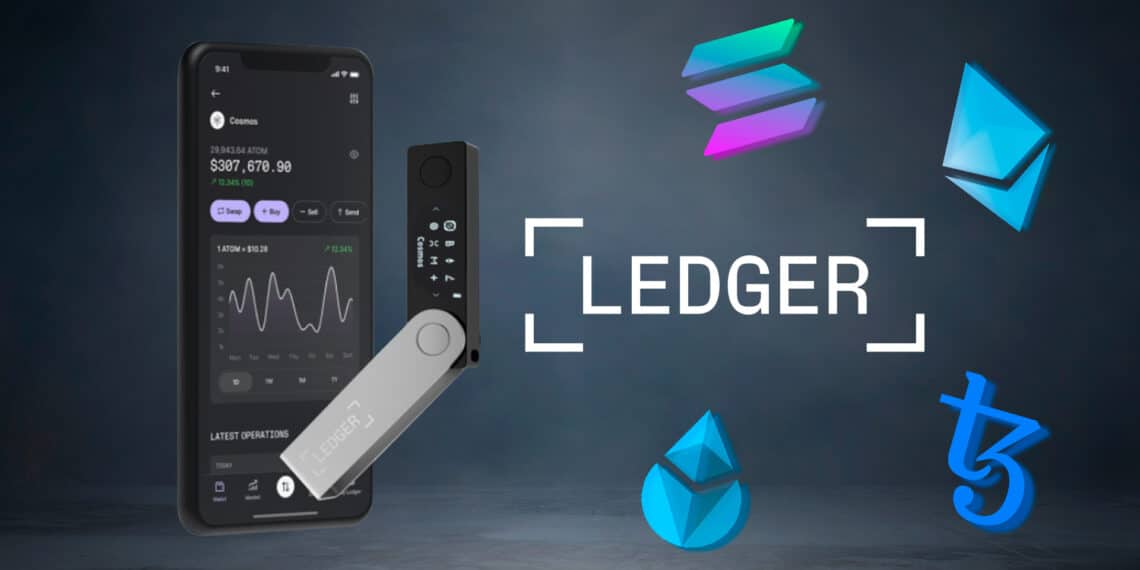
You want a single place to check balances, approve contracts, and manage trades without exposing your seed to every new dApp. That’s why I recommend using a well-supported companion app like ledger live as the central hub for portfolio views and routine approvals. Okay, so check this out—when a marketplace asks you to “approve” a contract, a live companion app can let you inspect the call details and see gas estimates, though actually reading every parameter still takes practice. On one hand the hardware confirms that the transaction was constructed from the correct wallet; on the other hand you’re trusting the software layer to show you what matters, and that trust has to be earned with careful updates, verified downloads, and some skepticism.
Whoa!
For active traders, latency and UX matter. Trade flows need to be fast enough so you don’t miss opportunities, yet slow enough to let you verify signatures. My instinct said speed first, but experience taught me otherwise; security-first setups with well-scripted hot-cold workflows often out-earn frantic, careless trades that expose keys or approvals. If you’re doing market orders on derivatives or NFTs with auctions, think about pre-approvals, gas strategies, and staged approvals instead of blanket allowances that let a contract drain everything in one go. Seriously, those blanket approvals are a feature hackers love.
Really?
Yes, and here’s where portfolio management tools earn their keep: good tools show provenance, delta positions, realized vs. unrealized gains, and token-specific flags like royalty enforcement or transfer restrictions. Long, detailed reports help you avoid surprises and can guide tax-time decisions, though they also reveal how fragmented holdings can be across chains and contracts. I’m not 100% sure of the perfect stack for everyone, but combining hardware wallets for signing with reliable portfolio software for visibility has been the least painful path I’ve found. Oh, and save receipts—screenshots, tx hashes, notes—because audits are a pain if you try to reconstruct months of trades from memory.
Hmm…
Practical workflow time. Step one: segregate funds by purpose—savings, trading, collector pieces. Step two: connect your collector wallet only to verified marketplaces and keep approvals minimal. Step three: use a separate intermediary (a hot wallet you control) for frequent trading that you can rebalance from your cold store when needed. Initially I did everything from one seed because it was easier, but then I learned the hard way—recovery and cleanup become nightmares when one compromised key affects everything, especially rare NFTs where provenance matters. I’m telling ya, it feels like extra work, but that friction is the point.
Whoa!
There are some gotchas that keep showing up. Hardware firmware updates sometimes change signing flows, marketplaces add new contract standards, and multisig patterns are still fiddly for collectors who want to share custody. On one hand multisig solves many problems; on the other hand it’s complex to manage across wallets and services, and I’ve lost count of how many times UI inconsistency led to mistaken approvals. I’m not perfect at this either—I’ve made mistakes, double-clicked the wrong prompt, and had to scramble—but those experiences teach better guardrails.
FAQ
Do hardware wallets support NFTs properly?
Mostly yes. Hardware wallets secure private keys and sign the same transactions that control NFTs, but support quality depends on the companion app and the marketplace. Use tested apps, verify contract data on your device’s screen, and avoid blanket approvals. My instinct says always verify twice.
Can I trade actively while keeping keys cold?
Yes, with a hybrid approach. Use a small hot wallet for active positions and keep the majority of your value in cold storage. Move funds in measured batches, automate rebalancing where sensible, and accept that speed sometimes costs security. The extra discipline pays off when somethin’ goes sideways.
